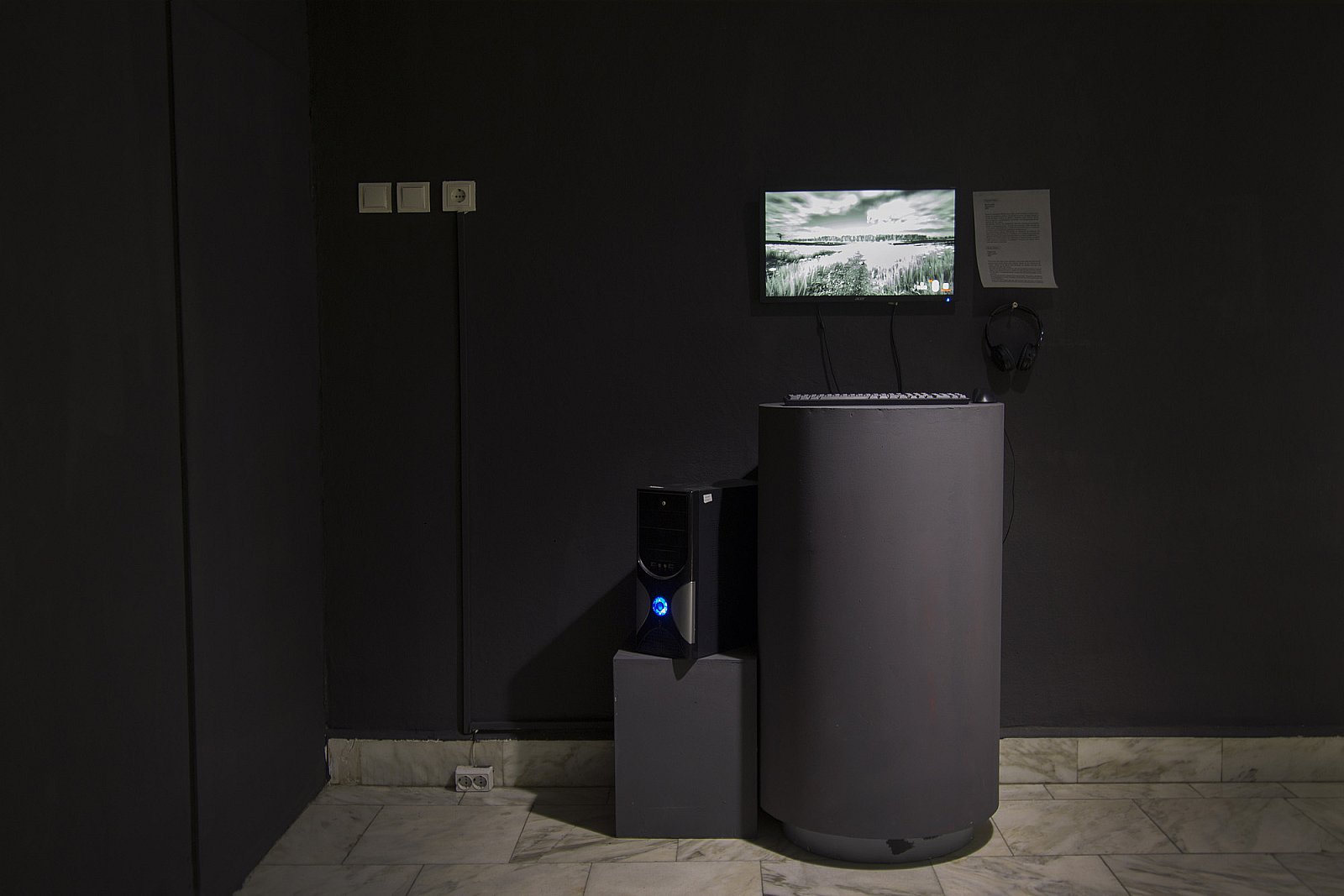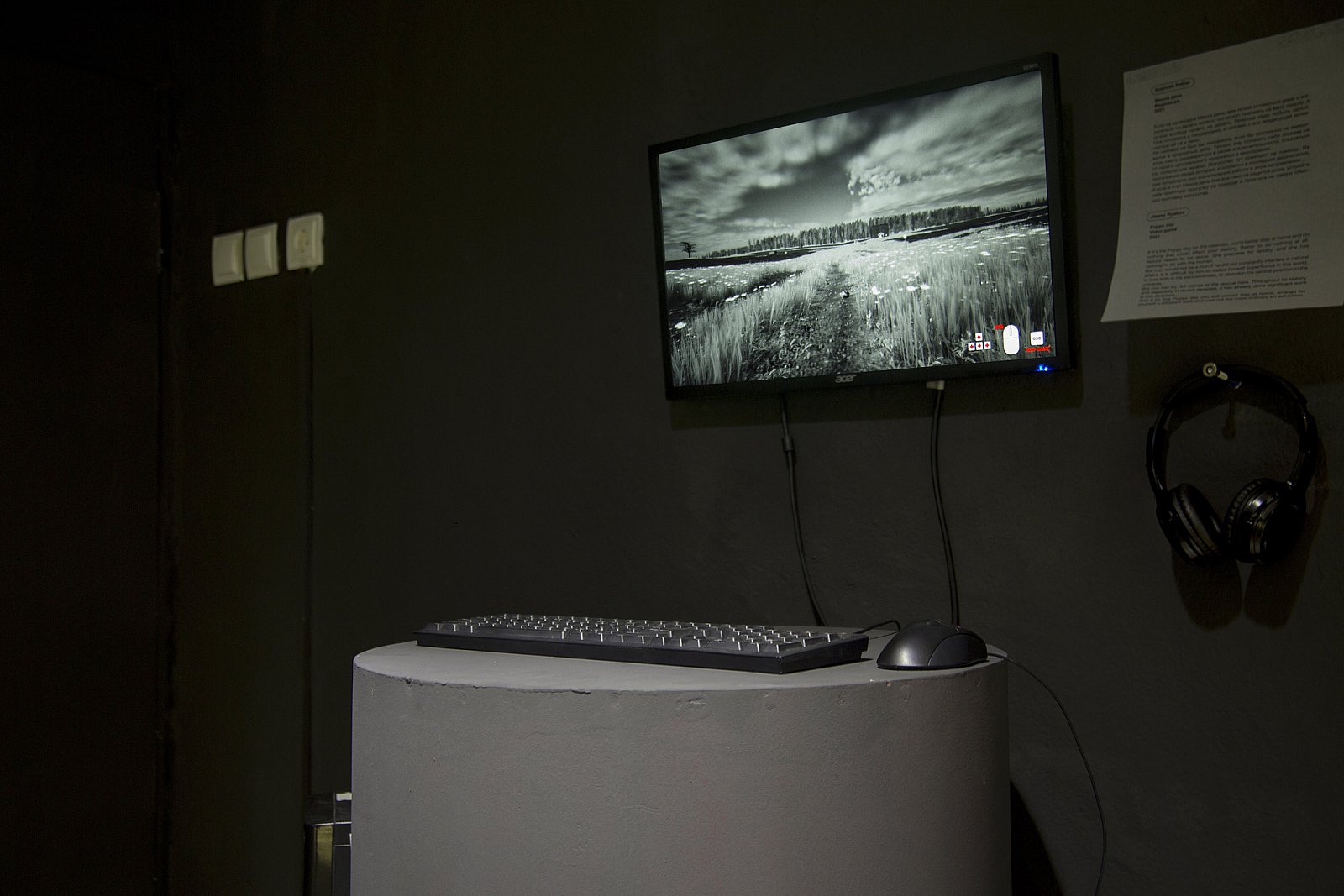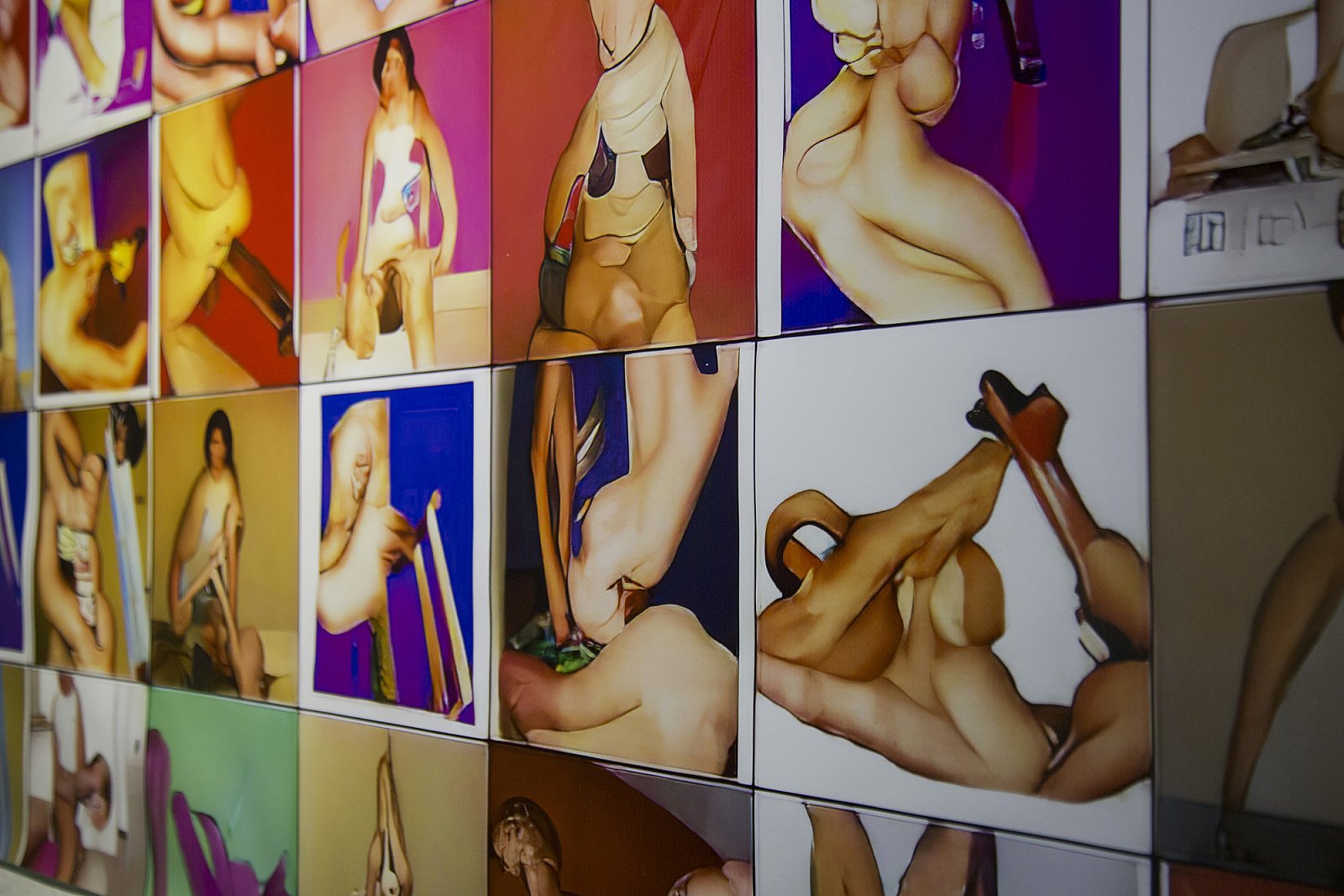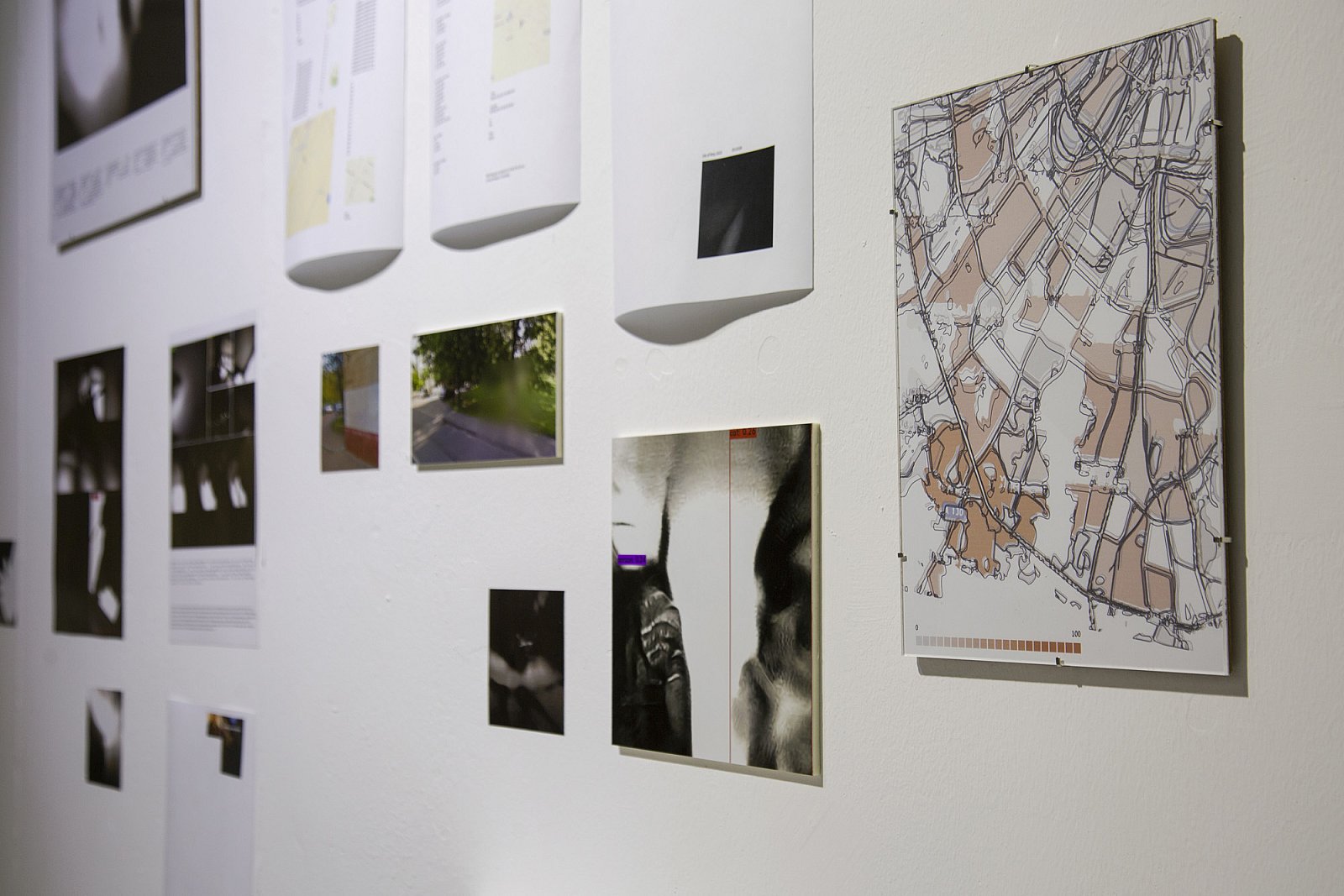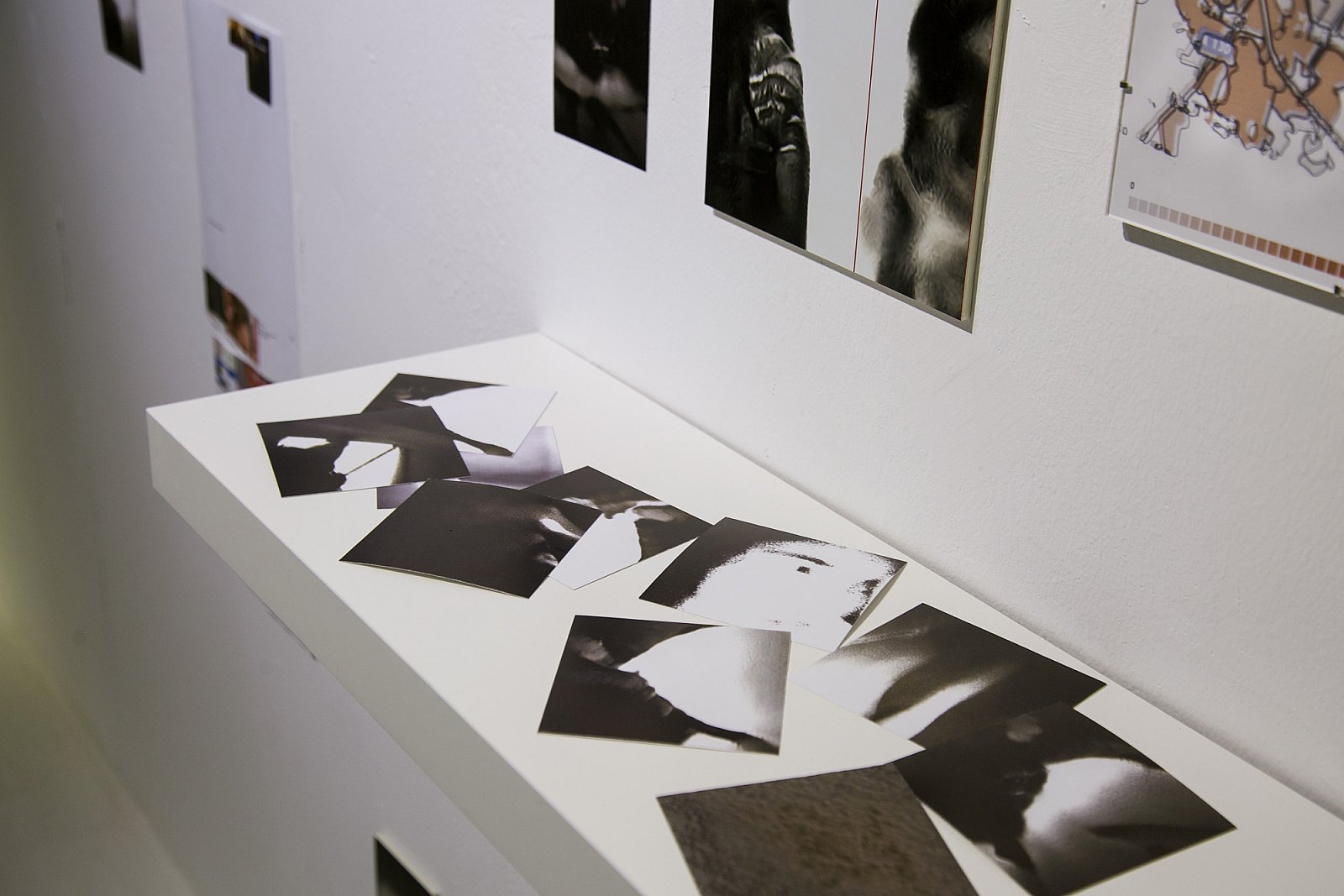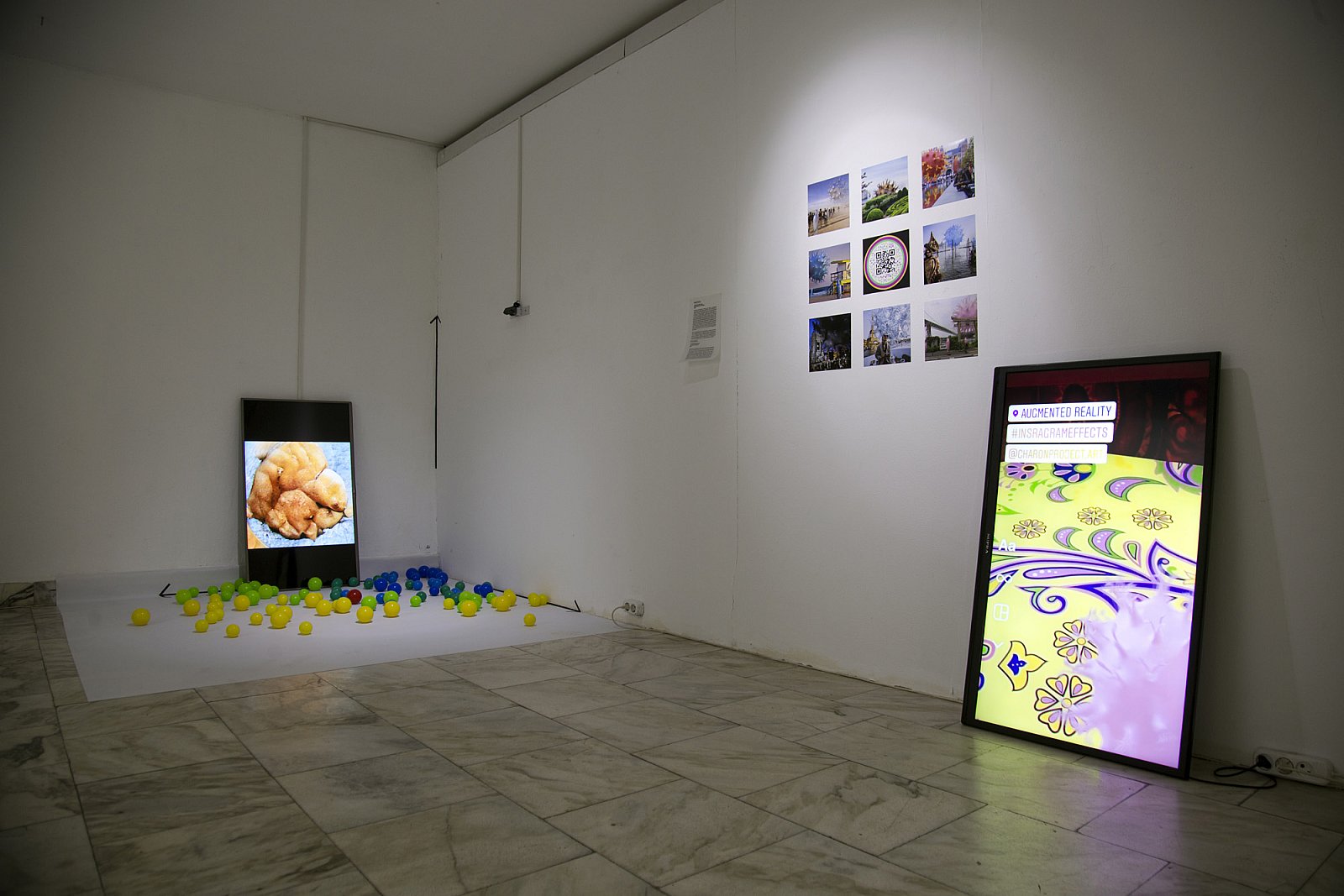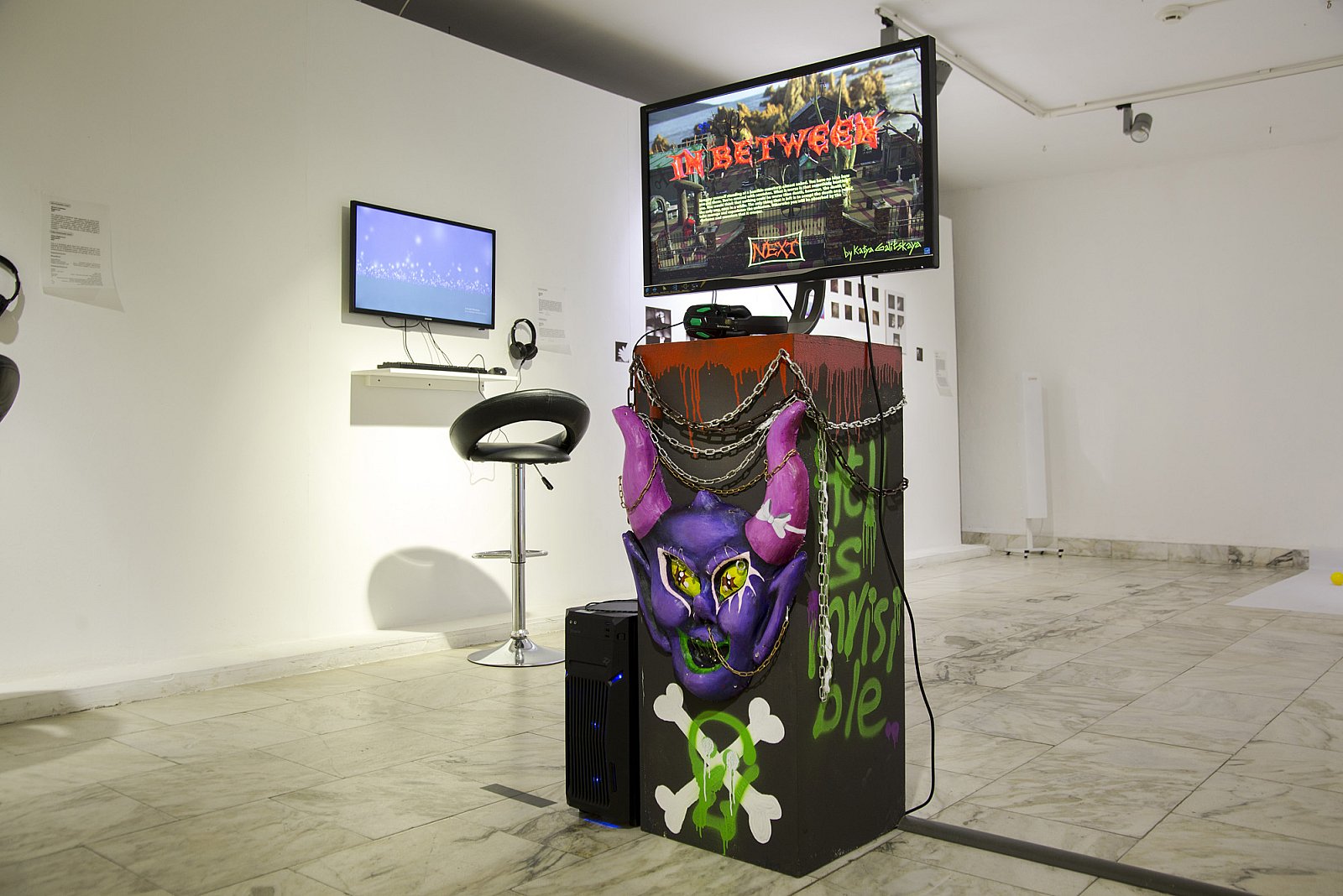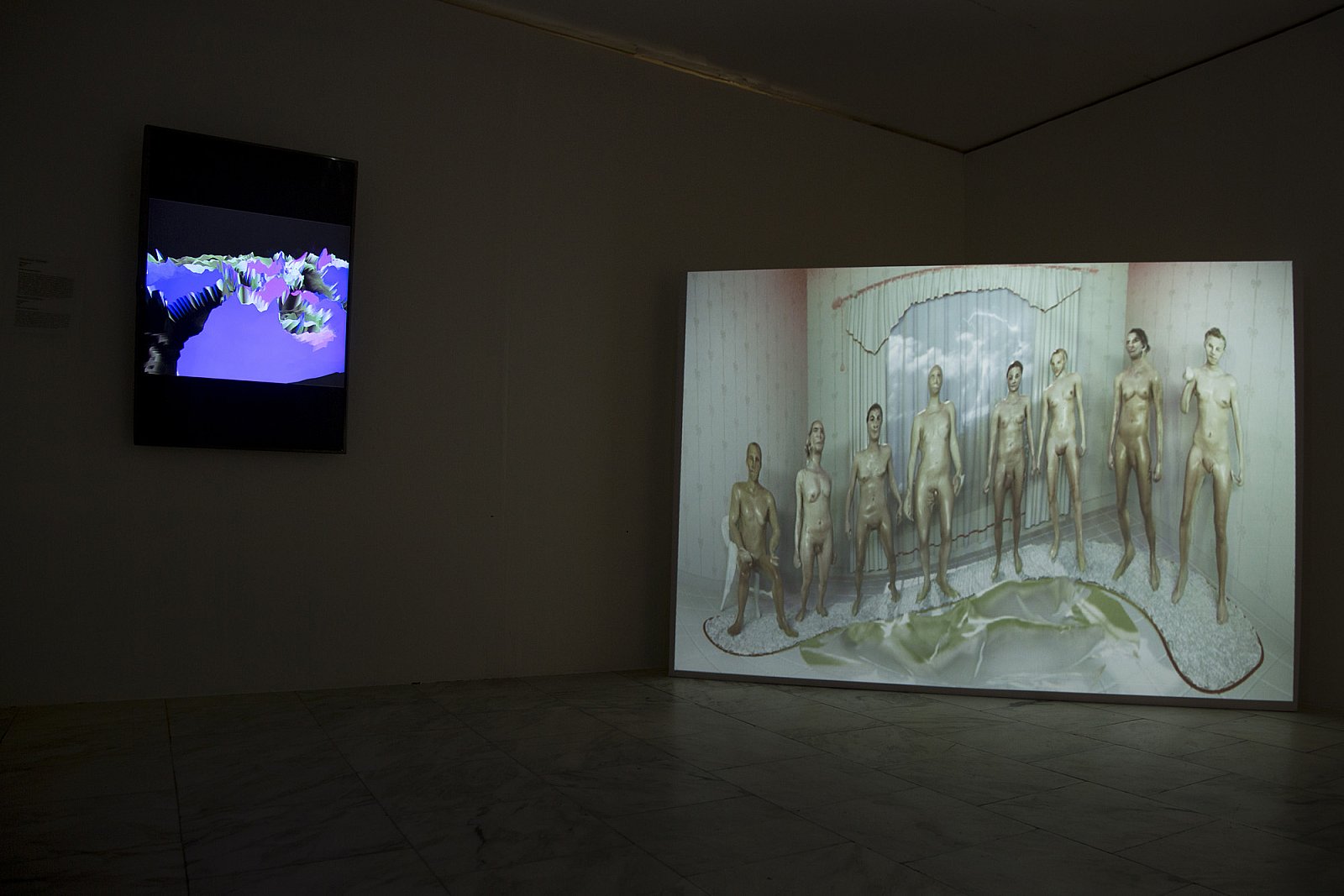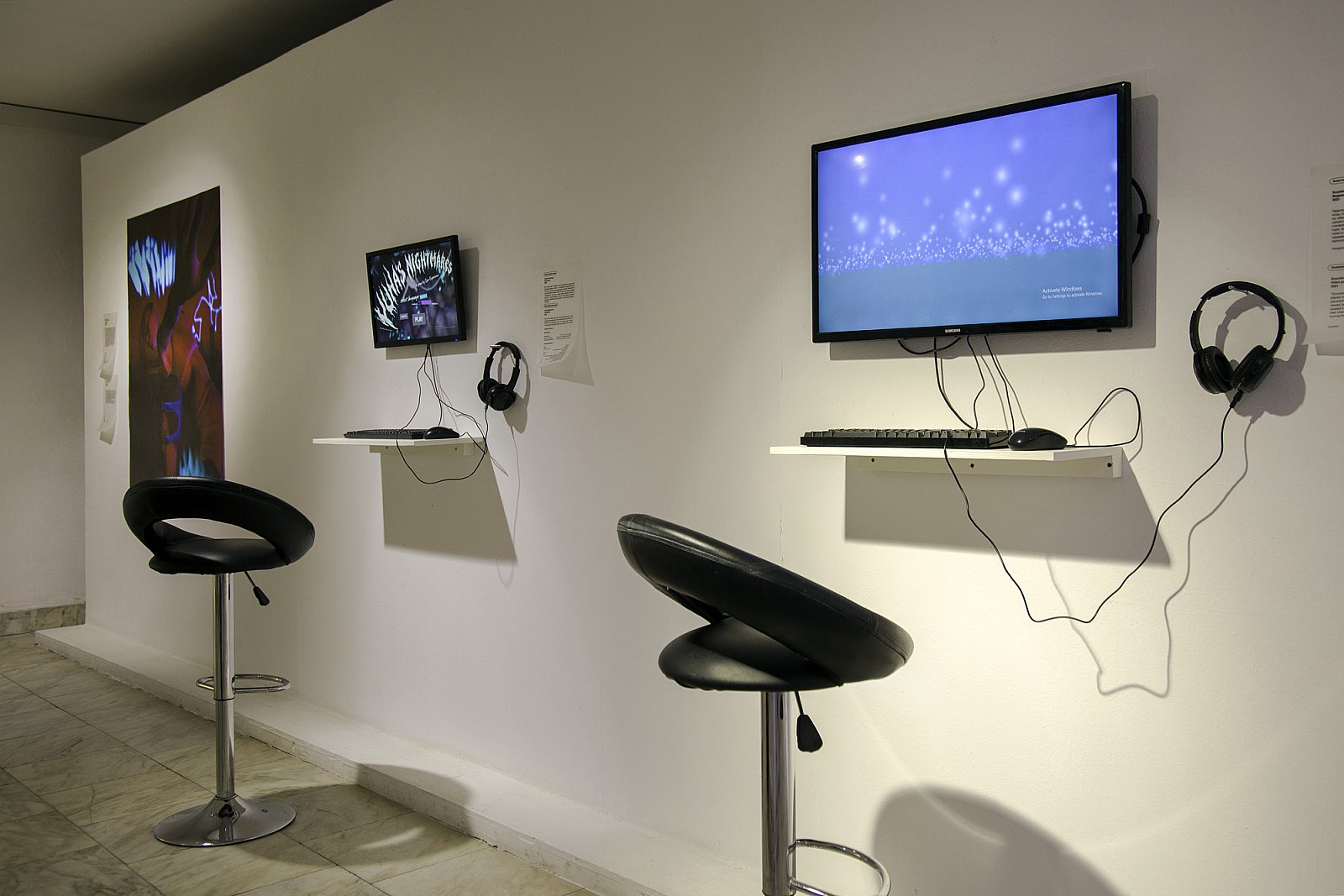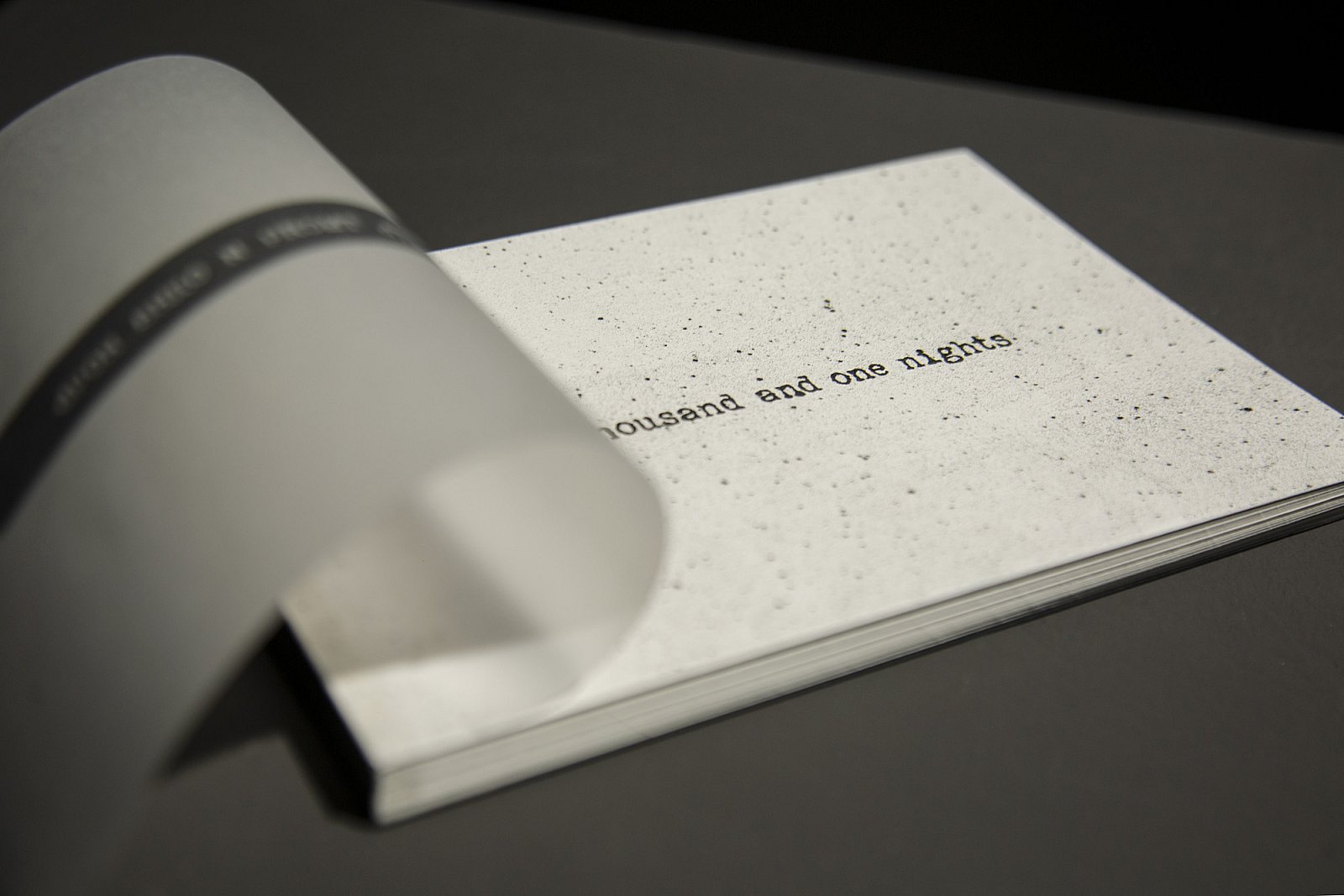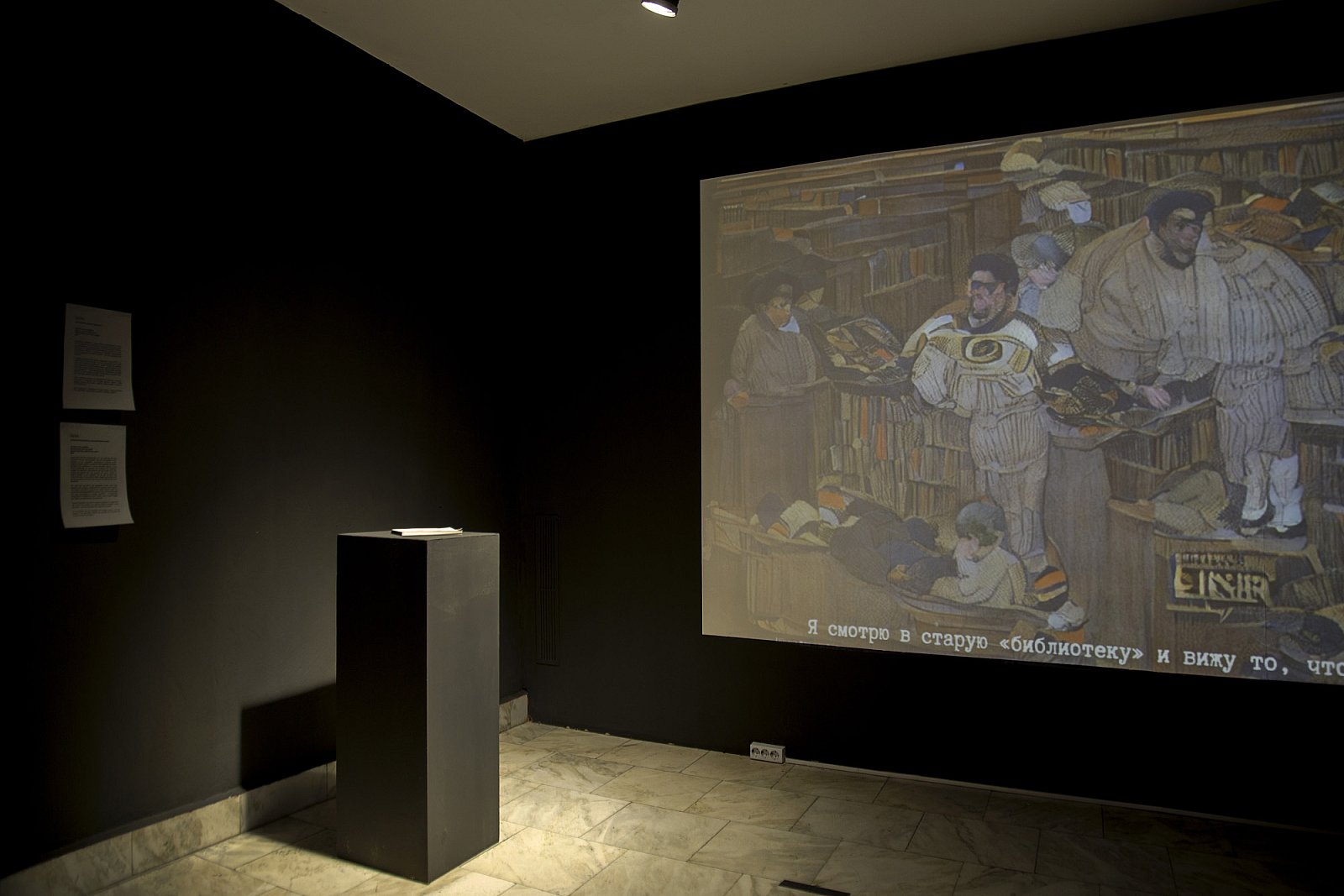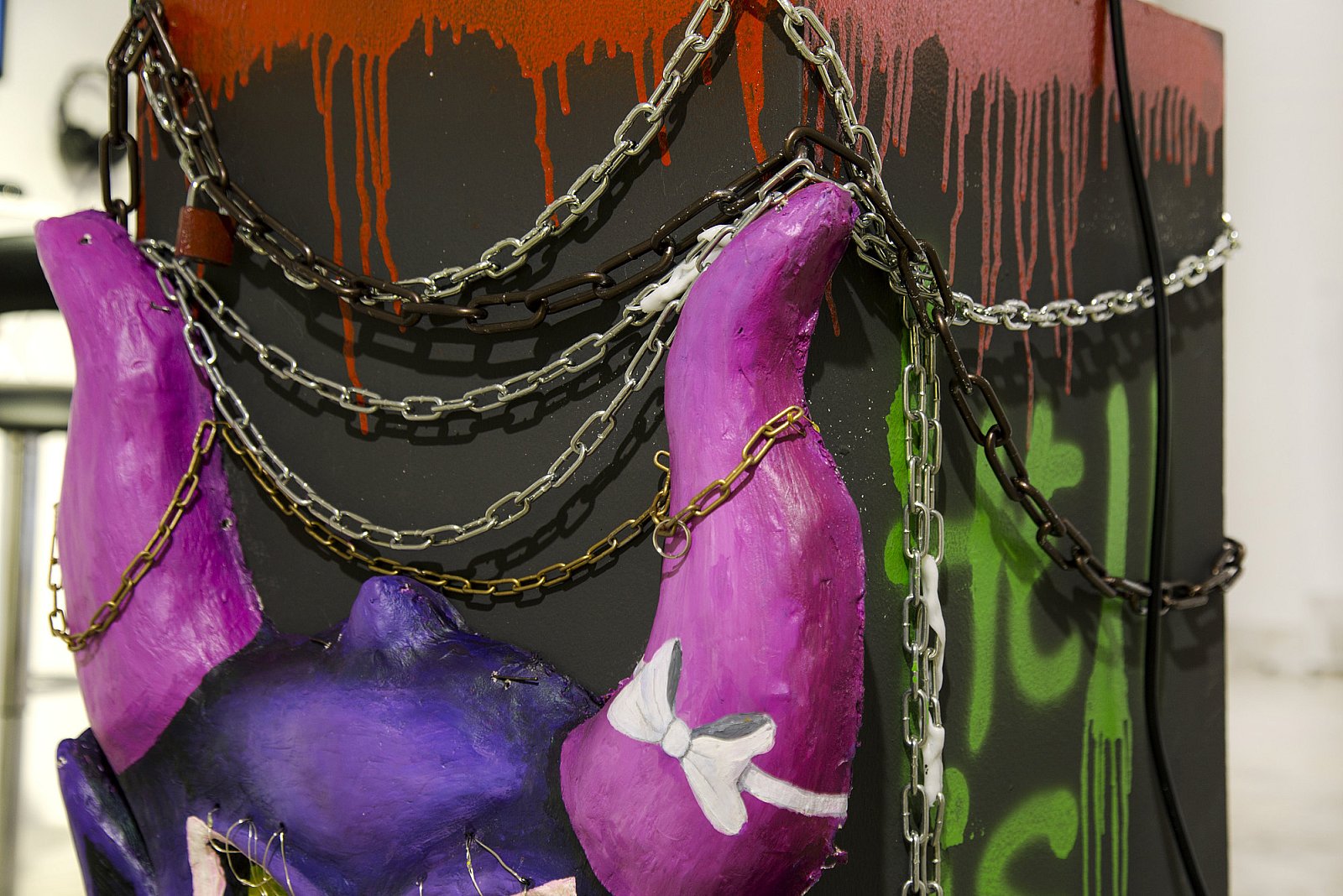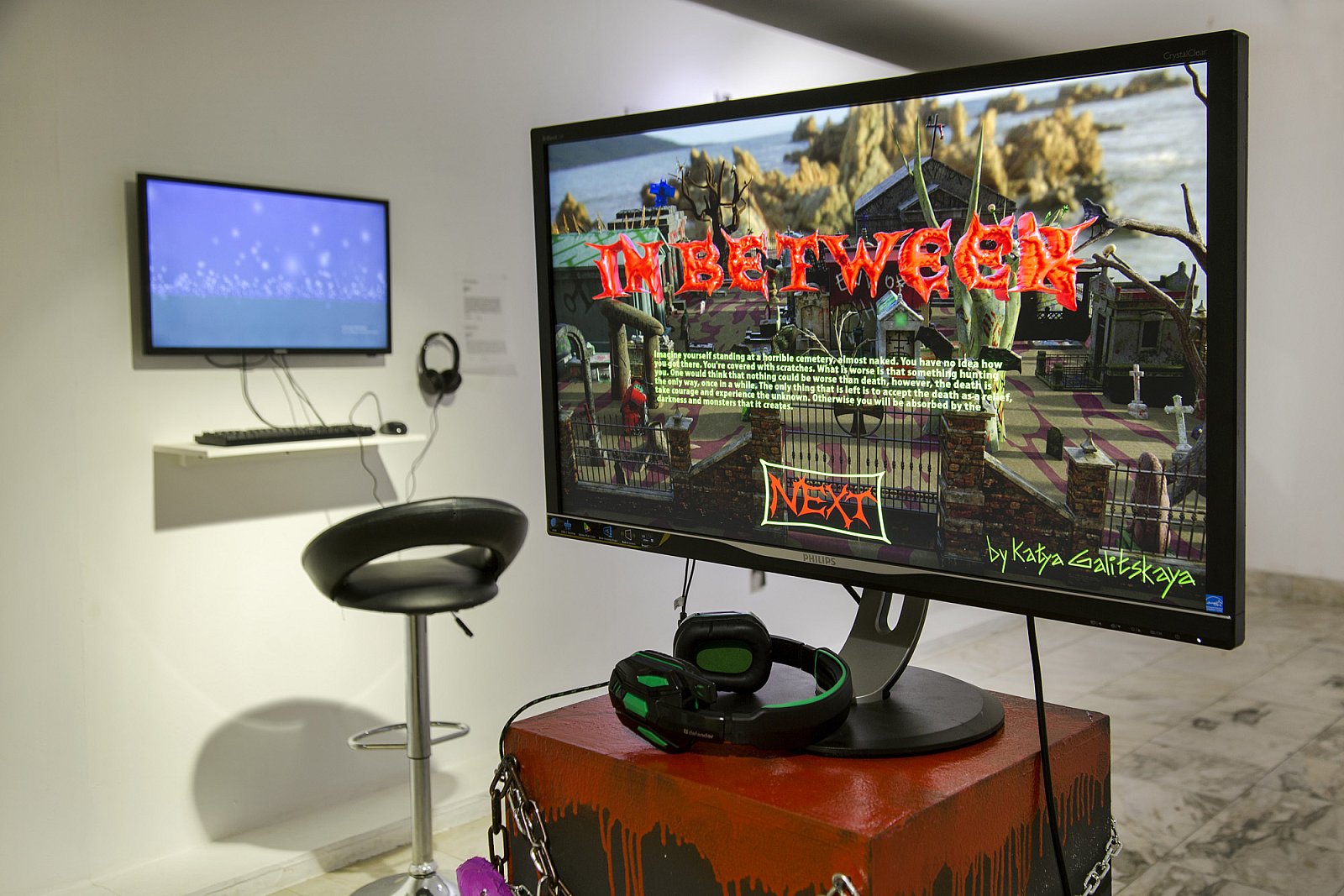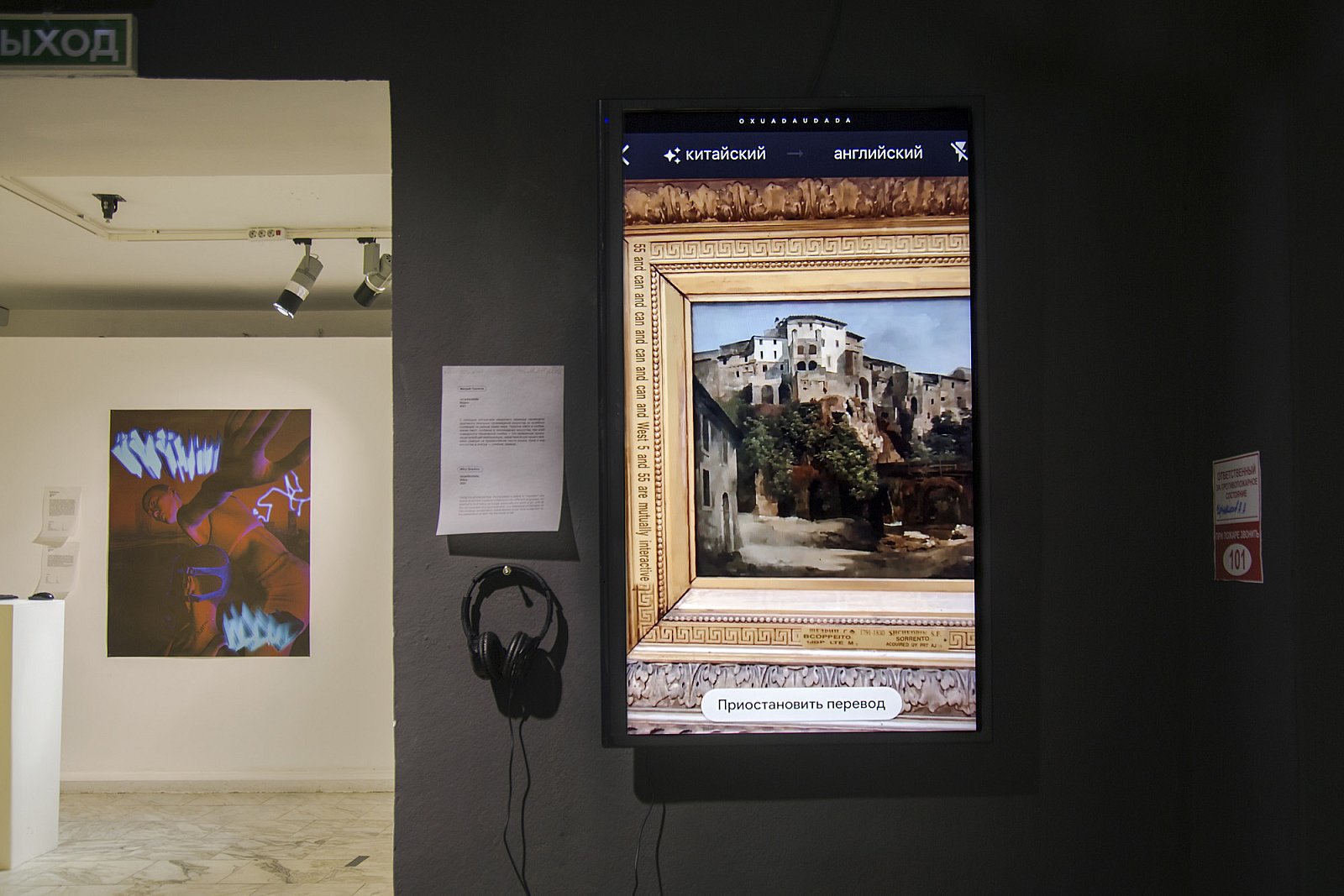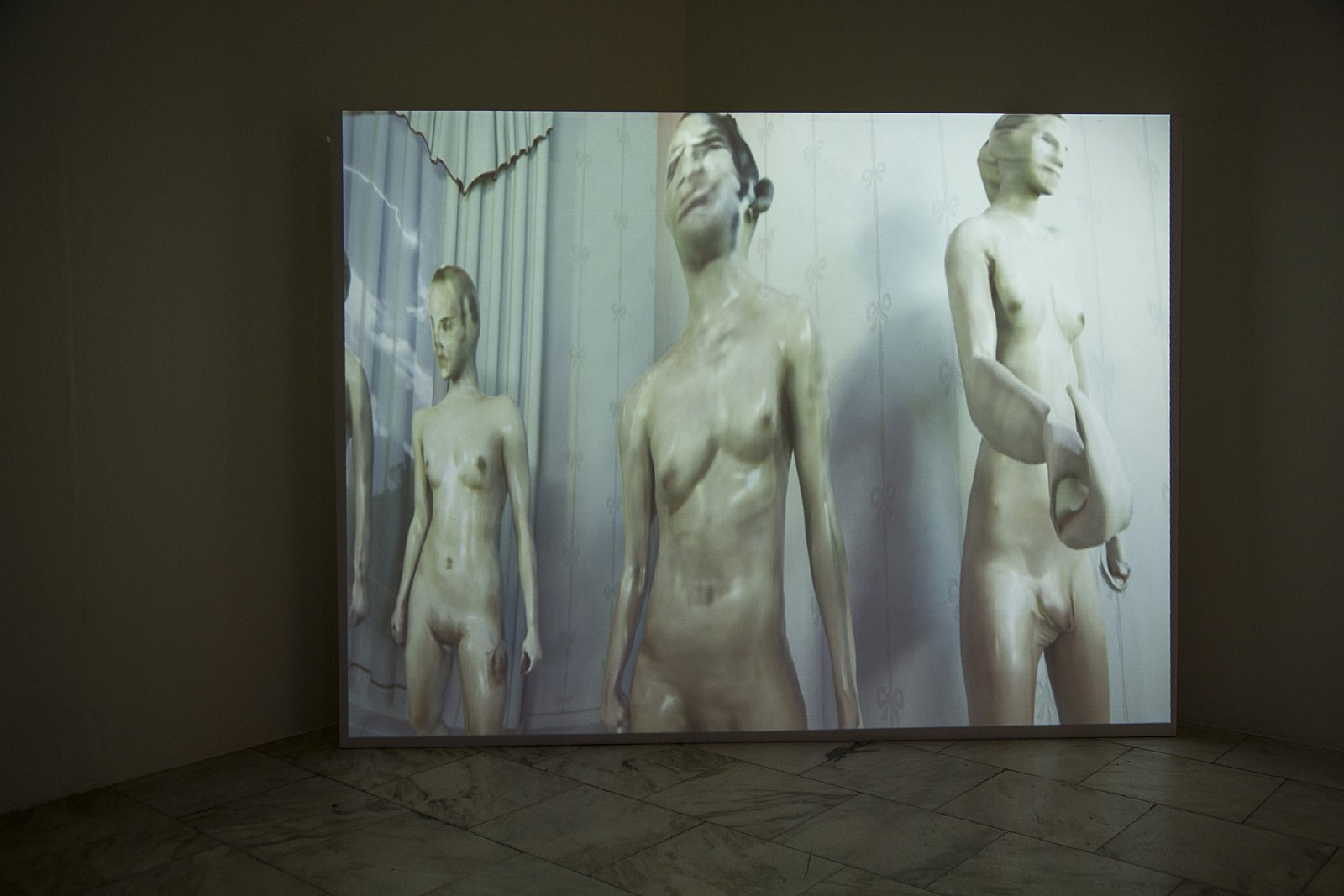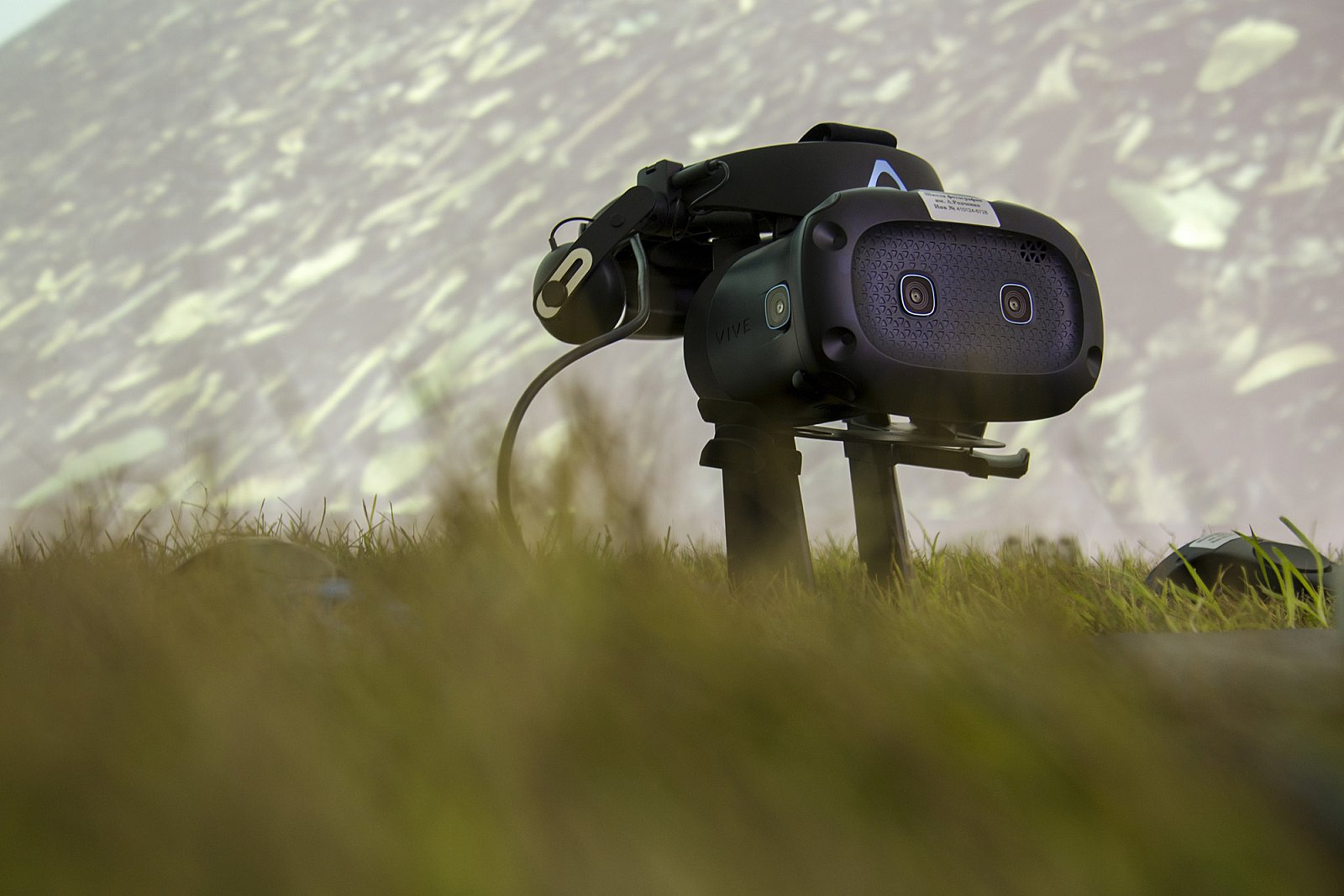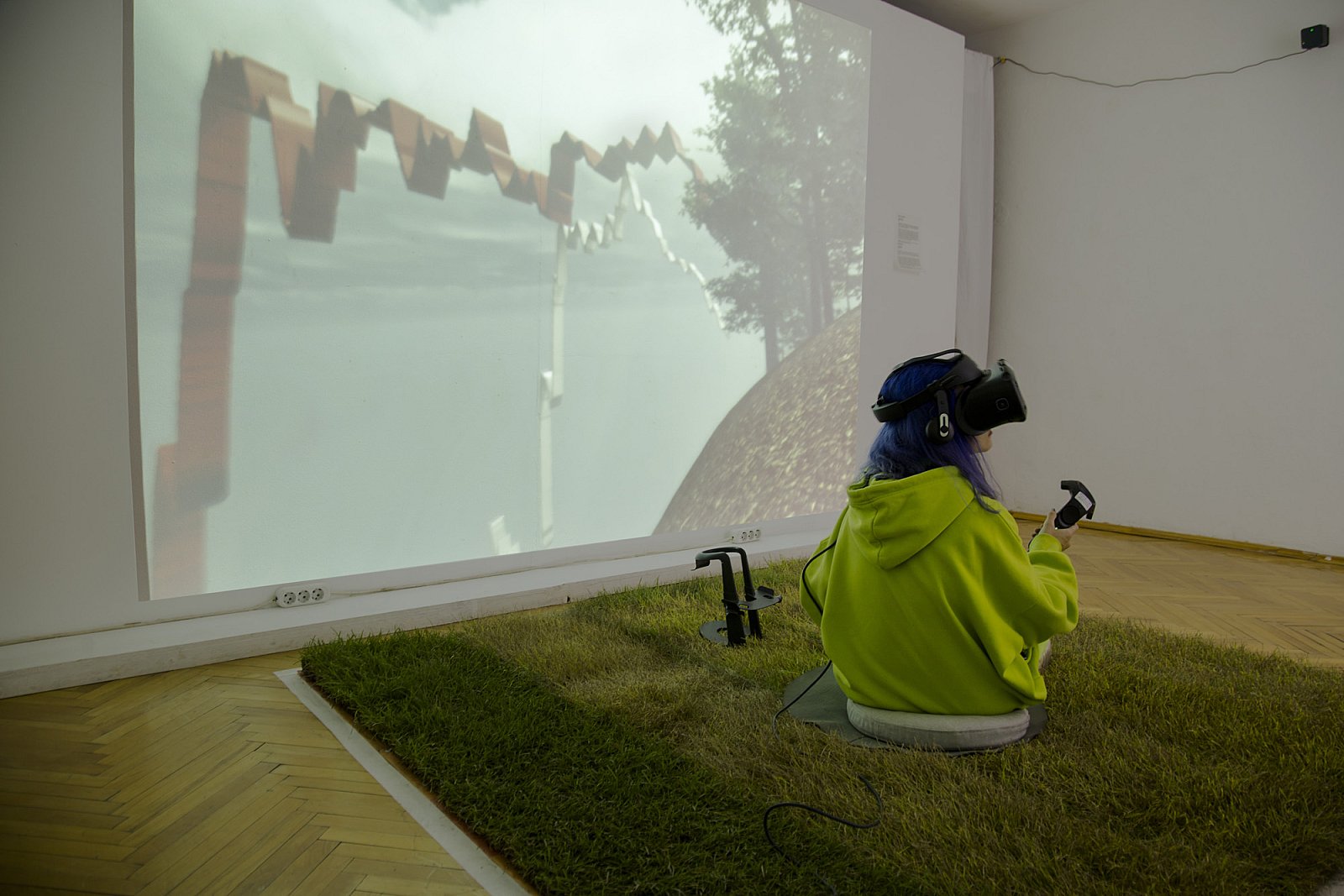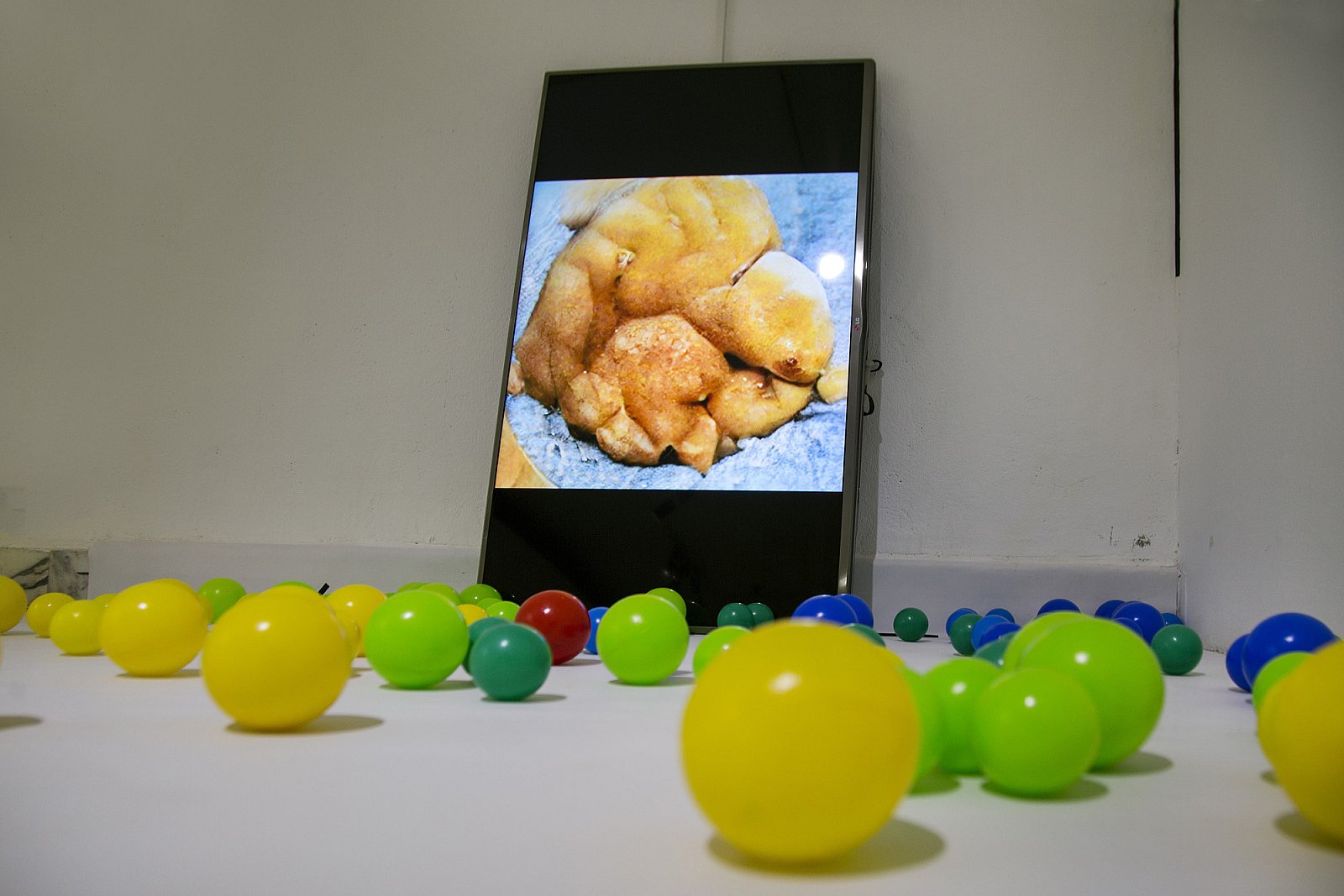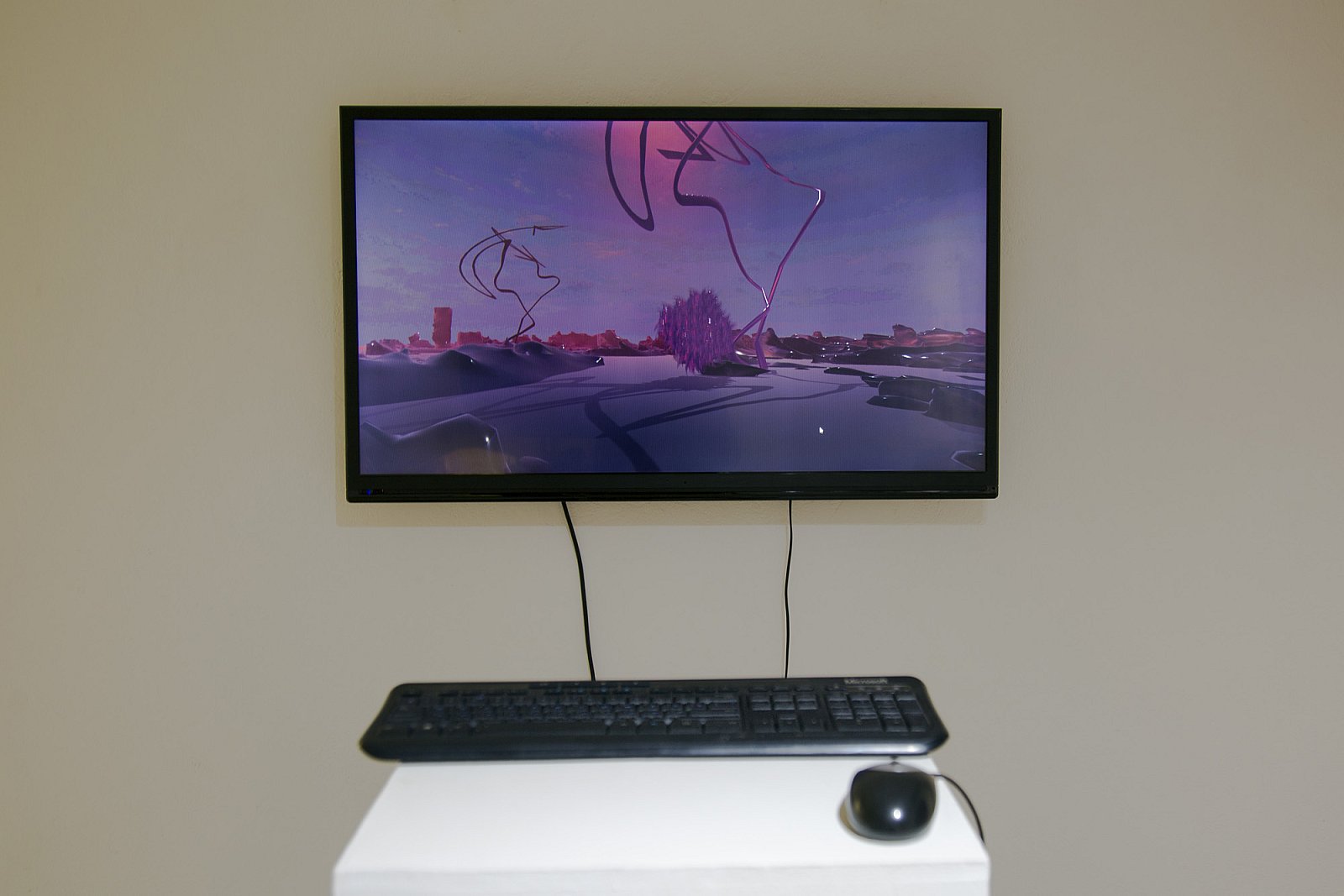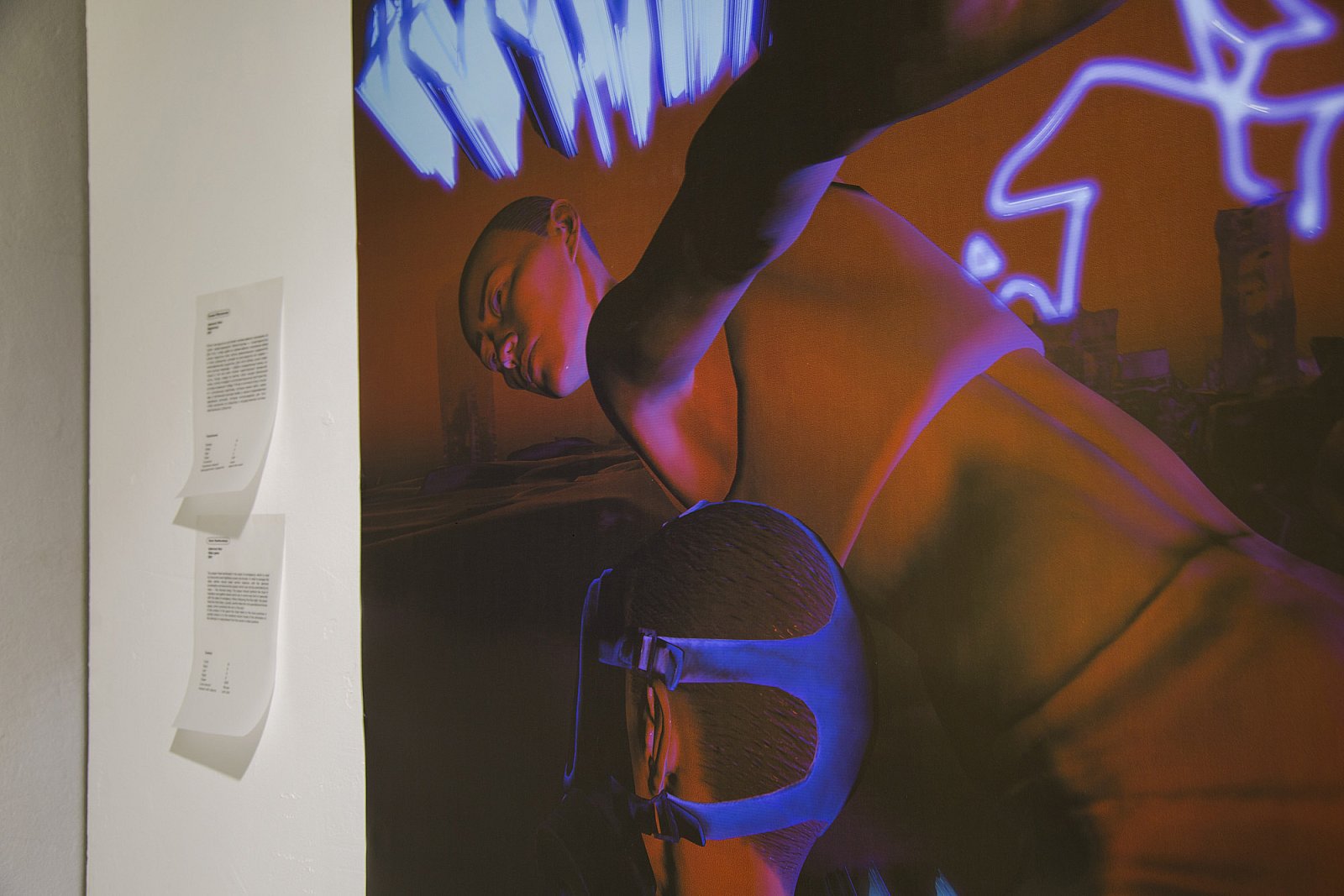
On September 3, in the Electromuseum gallery of the Moscow City Galleries Network, within the framework of the international festival of technological art Ars Electronica, a collective exhibition Uncanny Dream, curated by Helena Nikonole and Oxana Chvyakina, will open. The concept of Ars Electronica 2021 is Kepler's Gardens: a garden as a metaphor for a new way of networking and sharing ideas in a changed world. The Uncanny Dream exhibition is the Moscow Garden of the Festival and is taking place in a hybrid format. The physical exhibition is complemented by an online show.
Uncanny Dream
Ars Electronica Garden Moscow 2021
Artists: Fedor Balashov aka wasdswag, Katya Galitskaya, Mitry Grankov, Gray Cake, Anastasia Koroleva, Yuliya Kozhemyako aka Supr, Ivan Netkachev, Xenia Obukhovskaya, Nika Peshekhonova, Alexey Ryabov, Eugene Kruglov, Pavel Seldemirov, Vladimir Sheshak, Anna Shustikova, Roman Solodkov.
Curated by Helena Nikonole, Oxana Chvyakina
September 4-19, 2021
Electromuseum, Moscow
On September 3, in the Electromuseum gallery of the Moscow City Galleries Network, within the framework of the international festival of technological art Ars Electronica, a collective exhibition Uncanny Dream, curated by Helena Nikonole and Oxana Chvyakina, will open. The concept of Ars Electronica 2021 is Kepler's Gardens: a garden as a metaphor for a new way of networking and sharing ideas in a changed world. The Uncanny Dream exhibition is the Moscow Garden of the Festival and is taking place in a hybrid format. The physical exhibition is complemented by an online show.
One of the key motifs of the Uncanny Dream exhibition is a metaphor of a dream as a form of anxiety related to uncertainty and the constant rapid change in the world. The exhibition also addresses topics such as AI biases, different forms of biopolitics as a response to the COVID-19 crisis, and social isolation and loneliness in times of pandemic.
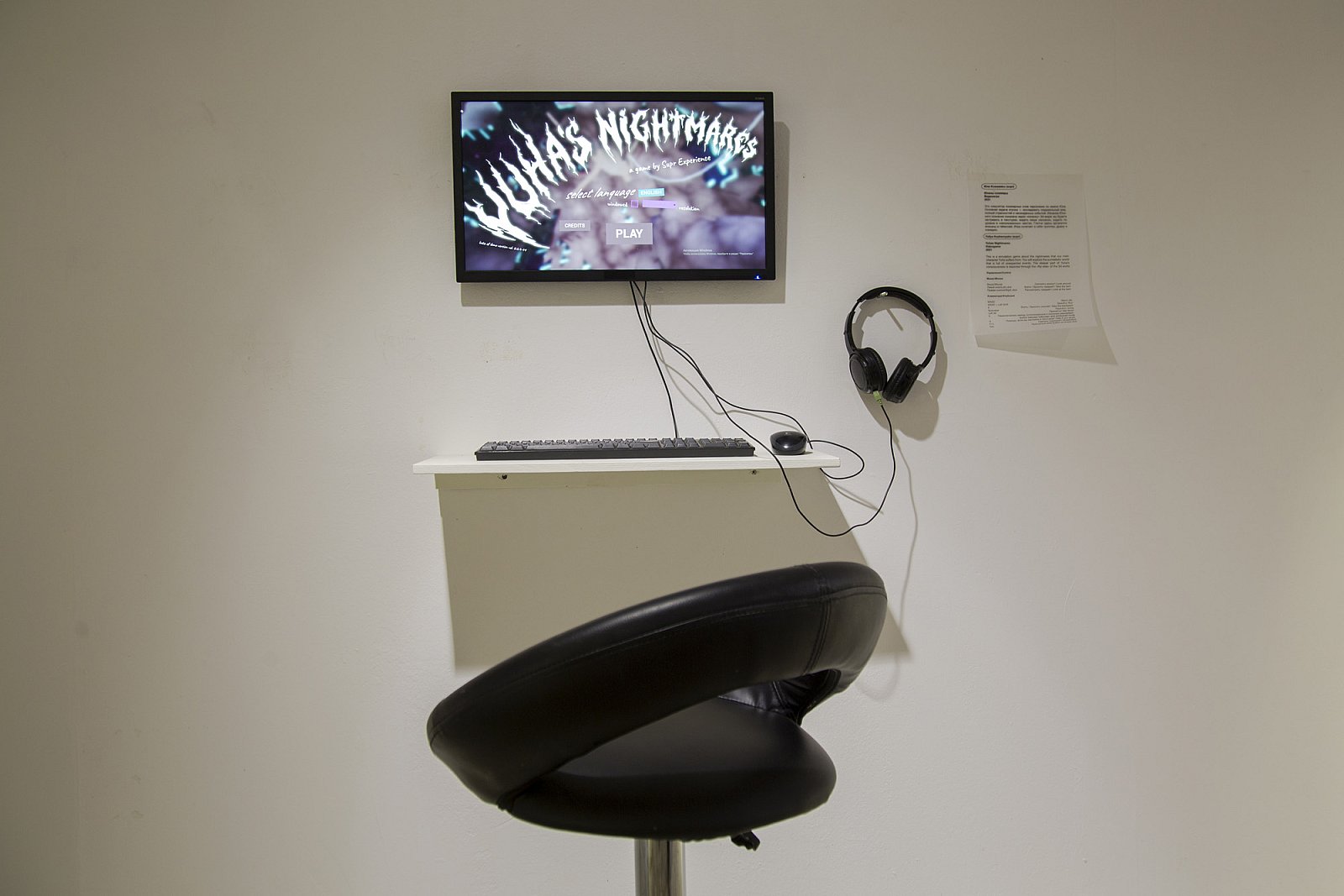
The exhibition is focused on how young Russian artists and digital natives, explore the impact of new technologies such as AI, AR and video games on art, culture and society. The project unites video games, art bots, interactive projects, video art, digital images and video documentations of the projects reflecting on issues of the Coronacene epoch.
The project is organised with the support of The Foundation of Vladimir Smirnov and Konstantine Sorokin.
Program Schedule:
September 8:
5.00 pm (GMT+3) Welcome and Introduction to the Program. Online curatorial tour (Eng). Helena Nikonole, Oxana Chvyakina
6.00 pm (GMT+3) Artist-talks with exhibition participants: Ivan Netkachev, Anna Shustikova, Roman Solodkov.
September 9:
5.00 pm (GMT+3) Panel Discussion “Curating hybrid events. Ars Electronica 2021 experience”. Participants: Oxana Chvyakina, Natalia Fedorova, Helena Nikonole, Olga Vad, Olga Zubova.
September 10:
11.00 am (GMT+3) “Liminal” guided tour
Uncanny dream x Garden Riga / Boston / Karlsruhe curated by RIXC Center for New Media Culture (LV) in collaboration with The Art, Culture and Technology (ACT) Program at MIT (US).
6.00 pm (GMT+3) Open workshop “Lets play. Experiencing art games”. Participants: Katya Galitskaya, Anastasia Koroleva, Xenia Obukhovskaya, Nikita Prudnikov, Margarita Skomorokh, Alexander Vetushinskiy.
September 11:
5.00 pm (GMT+3) Lecture “AI and art”, Helena Nikonole
September 12:
5.00 pm (GMT+3) Online curatorial tour (Eng). Helena Nikonole, Oxana Chvyakina
6.00 pm (GMT+3) Artist-talks with exhibition participants: Gray Cake, Mitry Grankov.
Ars Electronica:
The Ars Electronica Festival was founded in 1979. This pilot project was designed to take the Digital Revolution’s emergence as an occasion to scrutinize potential
futures and to focus these inquiries on the nexus of art, technology and society. This philosophy is at the core of our activities until today. Within a few years, this
Linz invention developed into one of the world’s most important media art festivals. From year to year, its lineup became more extensive and multifaceted. Each year, the Festival has been dedicated to a new theme and in 2020 the notion of the festival has been extended into an exciting hybrid format that will be further developed in 2021. Ars Electronica 2021 will take place from September 8-12. For the second time since 1979, it will be a hybrid event that includes exhibitions, concerts, talks, conferences, workshops and guided tours in Linz and 100 other locations around the globe. The opening theme of this journey around the world is the call for a “New Digital Deal.”
Curators:
Helena Nikonole is a new media artist, independent curator and educator. Initiator of the Forecast2022 online festival (horizontal non-hierarchical organisation), co-curator of the Saving the World online conference. Ars Electronica 2019, CTM, Mutek, «Open Codes» at ZKM Museum etc. participant. Teaches courses on Art&Science and AI in arts at many institutions in Russia and worldwide.
Oxana Chvyakina is an art historian, curator, online exhibitions’ researcher and educator.
Curator of the online pavilions of III and IV editions of The Wrong New Digital Art Biennale. Curator of exhibitions of the parallel and special programs of the 6th and 7th Moscow International Biennale for Young Art.
Electromuseum:
Electromuseum was first open in 2014. From the very start Electromuseum has been the unique gallery, the social hub and the production center that is deeply engaged into the research of aesthetic and social aspects of the new technologies. The curators of the gallery are Alexei Shulgin and Aristarkh Chernyshev. They are the members the Electrobutique project and the professors at Moscow’s Rodchenko Art School. Experimental and critical media-art is the hallmark of Electromuseum. In addition, the institution is the member of the Moscow Exhibition Venues Union. One of the halls of the museum hosts the SA))_gallery. It is the sound art gallery, which is the first Russian fixed-site lab dedicated to technical and conceptual research of contemporary sound art.
The Foundation of Vladimir Smirnov and Konstantine Sorokin:
In 2008, combining their efforts and creative ideas, Vladimir Smirnov and Konstantin Sorokin created the Modern Arts Fund. Its doors were thrown wide open to artists creating their art without frameworks, borders or conditions. The Fund’s mission is to promote young Russian artists, and it supports them by providing opportunities to put creative ideas into practice. The Fund put on its first project, “WC”, with great success in December of 2010 within the framework of the first Cosmoscow art fair. In 2011, the Fund acquired its own studios. The former factory premises today bring the visions of contemporary Russian artists to life, as works are created for the Fund’s projects